UAE Confirms Nearly 500 Pakistani Visas Processed Daily As Pakistan Addresses Passport Misuse And Trafficking Concerns
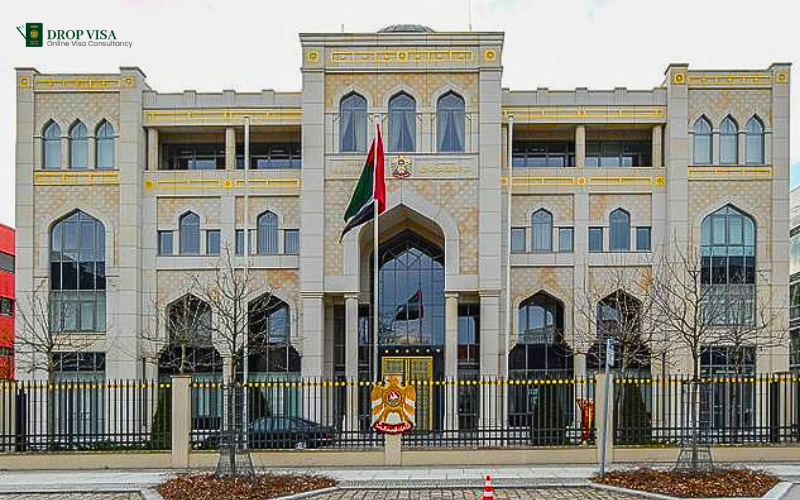
The United Arab Emirates has reaffirmed that it continues to process nearly 500 visas daily for Pakistani nationals, clarifying confusion that arose after a briefing to Pakistan’s Senate suggested a halt in visa issuance for most categories. The reassurance comes at a time when Pakistan is confronting rising challenges involving passport misuse, human trafficking networks, and the vulnerabilities of its overseas workforce.
Pakistan Highlights Passport Integrity Concerns
During a Senate committee meeting chaired by Senator Samina Mumtaz Zehri, Additional Interior Secretary Salman Chaudhry underscored the urgent need to strengthen passport security and protect citizens from exploitation.
He warned lawmakers that Pakistan had narrowly avoided an international ban on its passports, a move that would have had severe diplomatic and economic consequences.
Key Issues Presented to the Senate
-
21,647 Pakistanis are imprisoned in 61 countries, mainly for visa overstays, documentation fraud, and financial offences.
-
93% of Pakistan’s overseas workforce—around 800,000 workers—are employed in Gulf states, making the region critical for the country’s remittance inflow.
-
Human trafficking rings, especially in Punjab, are charging young Pakistanis Rs4.3 million to Rs5 million to send them abroad via dangerous, illegal routes.
-
More than 500,000 Afghan nationals had previously obtained and traveled on Pakistani passports, with some involved in criminal activities abroad.
-
NADRA has now fully digitised national records and tightened verification systems to prevent further misuse.
Senator Zehri expressed deep concern over the surge in trafficking cases and criticised the lack of awareness campaigns at airports, border points, and major urban centres.
UAE Confirms Normal Visa Processing Under New Reforms
Amid rising speculation, UAE Ambassador Salem M. Salem Al Bawab Al Zaabi assured Pakistan’s Finance Minister Muhammad Aurangzeb that the UAE continues to process visas smoothly, averaging nearly 500 approvals per day.
The ambassador highlighted the Emirates’ longstanding ties with Pakistan and praised the contributions of Pakistani professionals across healthcare, construction, technology, and service sectors.
New UAE Visa Facilitation Measures
The UAE has recently introduced several reforms aimed at improving mobility and reducing processing delays:
-
Online visa applications
-
E-visas with no passport stamping required
-
Digital system-to-system verification with Pakistani authorities
-
A new UAE visa centre in Pakistan
-
Enhanced document authentication to reduce fraud
These upgrades are designed to support the large Pakistani expatriate community and strengthen bilateral business mobility.
Strengthening UAE–Pakistan Economic Partnership
Finance Minister Aurangzeb welcomed the UAE’s clarification and emphasized the importance of seamless travel for boosting business-to-business cooperation, investment flows, and long-term development projects.
The meeting further highlighted collaboration in:
-
Trade and export development
-
Infrastructure and logistics
-
Digital banking and financial services
-
Ports, shipping, and maritime operations
-
Agriculture, food security, and minerals
-
Technology, innovation, and virtual assets
Aurangzeb also updated the ambassador on Pakistan’s improving economic indicators, including stabilising reserves, better currency performance, easing inflation, and rising remittances—particularly from the UAE.
Frequently Asked Questions (FAQs)
1. Is the UAE still issuing visas to Pakistanis?
Yes. The UAE has confirmed it is processing nearly 500 Pakistani visas daily, and visa operations remain active.
2. Why did the Pakistan Senate suggest a visa halt?
Officials raised concerns about passport misuse and trafficking, which led to confusion. The UAE has since clarified that visas are being issued normally.
3. How many Pakistanis are working in Gulf countries?
Approximately 800,000 Pakistanis, or 93% of Pakistan’s total overseas workforce, are employed in Gulf states.
4. What new visa reforms has the UAE introduced?
Reforms include online visa applications, e-visas without stamping, digital verification systems, and a new visa centre in Pakistan.
5. How serious is passport misuse in Pakistan?
Over 500,000 Afghan nationals previously traveled using Pakistani passports, prompting NADRA to digitise and tighten identity verification systems.
6. What human trafficking issues were highlighted?
Trafficking networks in Punjab are charging Rs4.3–5 million to send youth abroad illegally, often resulting in dangerous journeys.
Key Notes
The UAE’s confirmation of continued visa processing has provided clarity and relief to thousands of Pakistanis reliant on Gulf employment opportunities. Meanwhile, Pakistan is intensifying efforts to safeguard its passport system, combat trafficking networks, and protect overseas workers. Both nations have reaffirmed their commitment to strengthening diplomatic, economic, and labour cooperation, reinforcing the UAE’s role as a key partner in Pakistan’s development trajectory.
Worldwide Visa Information for Pakistani Passport: